
HMPV: A Rising Concern in India and Around the World
HMPV In recent times, the world has witnessed a surge in discussions about a new respiratory virus making its way into headlines: Human Metapneumovirus (HMPV). With its growing prevalence and potential to impact public health, understanding HMPV is crucial. In this blog, we’ll explore the details of this virus, including its symptoms, its connection to the news of a new virus in China, its rising cases in India, and its mortality rate.
What is HMPV?
Human Metapneumovirus, commonly referred to as HMPV, is a respiratory virus first identified in 2001. Part of the same viral family as RSV (Respiratory Syncytial Virus), HMPV is known to cause upper and lower respiratory tract infections in individuals of all ages. It is spread primarily through respiratory droplets when an infected person coughs, sneezes, or talks.
While Virus has existed for decades, recent trends and scientific studies have brought it into the spotlight. The virus’s ability to affect the respiratory system has drawn parallels to other viral outbreaks like SARS and MERS, although its clinical severity varies.
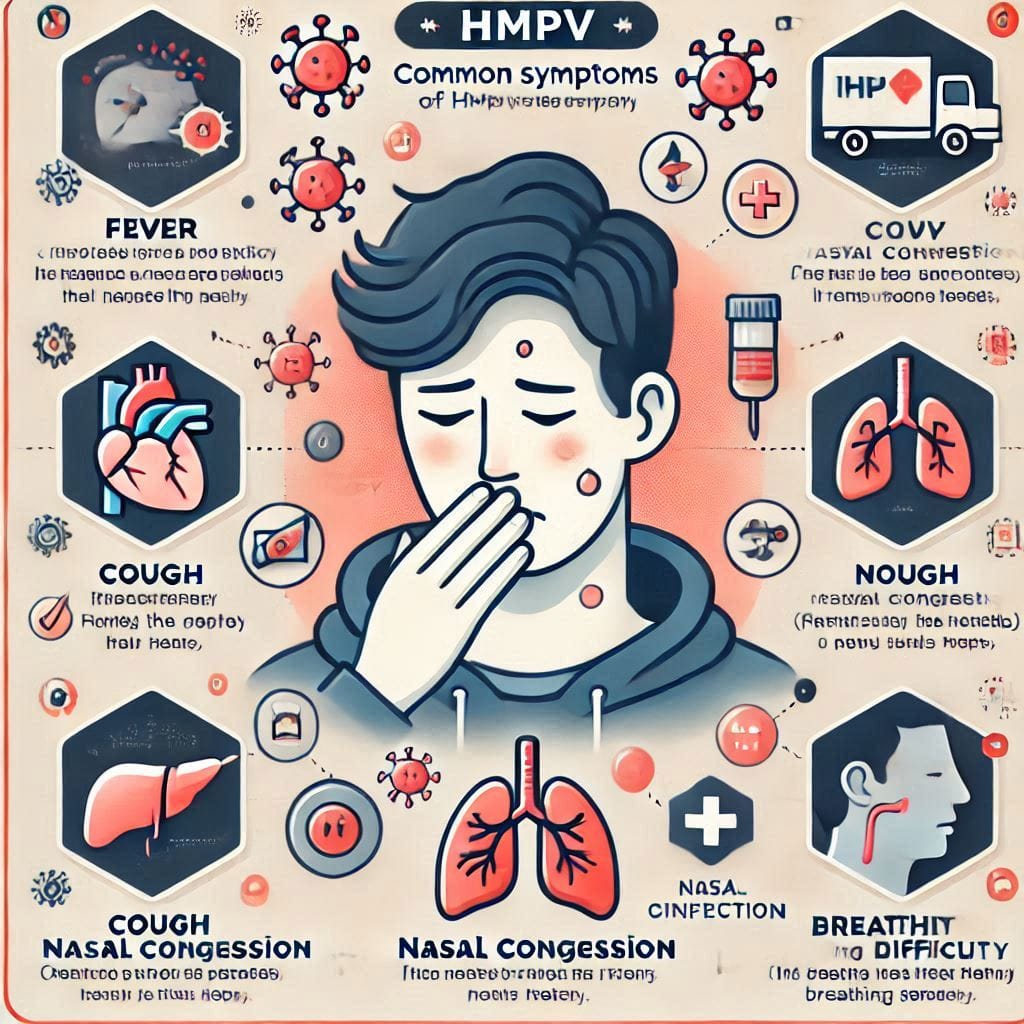
Table of Contents
Human Metapneumovirus Symptoms: Signs to Watch Out For
The symptoms of Human Metapneumovirus often resemble those of other respiratory infections, making it difficult to diagnose without specific testing. Common Human Metapneumovirus symptoms include:
- Mild Symptoms:
- Fever
- Runny nose
- Nasal congestion
- Cough
- Fatigue
- Severe Symptoms (especially in vulnerable groups like children, the elderly, and immunocompromised individuals):
- Difficulty breathing
- Wheezing
- Bronchitis
- Pneumonia
For most individuals, Virus manifests as a mild illness, but in severe cases, it can lead to hospitalization, especially in high-risk populations. Early detection and treatment can significantly reduce complications.
New Virus in China: Is Human Metapneumovirus Related?
The global community has recently expressed concerns about a new virus in China, leading to speculation and heightened awareness about various viral pathogens, including Human Metapneumovirus. While the Chinese outbreak is reportedly linked to a different virus, HMPV’s emergence as a growing public health concern adds to the urgency of monitoring respiratory illnesses.
China’s role as a hub for emerging diseases often prompts neighboring countries like India to stay vigilant. Given the interconnected nature of our world, the need for comprehensive virus tracking systems is more critical than ever.
Human Metapneumovirus Cases in India: A Growing Threat?
Although Human Metapneumovirus has traditionally been underreported, recent studies and health records indicate a rise in Human Metapneumovirus cases in India. Indian healthcare facilities have started observing clusters of respiratory illnesses linked to HMPV, particularly during seasonal transitions when viral infections are most common.
The Indian population, with its diversity and varied immunity levels, presents unique challenges for managing such outbreaks. Here are a few factors contributing to the rising cases:
- Dense population centers, which facilitate viral transmission.
- Limited awareness about HMPV among both the public and healthcare providers.
- Overlapping symptoms with common respiratory illnesses like the flu, leading to delayed or missed diagnoses.
Efforts are being made to increase testing and surveillance to understand the actual burden of Human Metapneumovirus in India.
Human Metapneumovirus Death Rate: Should We Be Concerned?
When it comes to any new or emerging virus, its death rate becomes a critical metric for public concern. HMPV, though not as fatal as some other respiratory viruses like SARS or MERS, can pose significant risks to specific groups. The Human Metapneumovirus virus death rate is generally low for healthy individuals but can escalate in vulnerable populations.
Factors influencing HMPV-related mortality include:
- Age (children under five and adults over 65 are at higher risk).
- Presence of underlying conditions such as asthma, COPD, or other chronic illnesses.
- Delayed medical intervention.
Human Metapneumovirus Mortality Rate: Understanding the Numbers
The Human Metapneumovirus mortality rate globally is estimated to be low, but this figure varies based on healthcare access and population demographics. In developing countries like India, where healthcare infrastructure can be uneven, the mortality rate may be higher due to delayed diagnosis and limited resources in rural areas.
For comparison:
- In high-income countries, HMPV-related fatalities are rare due to better healthcare systems.
- In countries with limited access to healthcare, severe cases can lead to complications like respiratory failure, increasing mortality.
Efforts to reduce the mortality rate include public awareness campaigns, early testing, and better access to treatments for vulnerable groups.
How to Protect Yourself Against HMPV
Preventing the spread of HMPV requires a combination of personal hygiene practices and public health measures. Here are some actionable steps to stay safe:
- Practice Good Hygiene:
- Wash your hands frequently with soap and water.
- Avoid touching your face, especially your nose and mouth, with unwashed hands.
- Respiratory Etiquette:
- Cover your mouth and nose with a tissue or your elbow when coughing or sneezing.
- Dispose of tissues immediately and sanitize your hands afterward.
- Avoid Crowded Places:
- During peak seasons for respiratory illnesses, limit time spent in crowded or poorly ventilated areas.
- Seek Medical Advice Early:
- If you or someone in your family experiences severe respiratory symptoms, consult a doctor promptly.
- Vaccination and Research:
- Currently, there is no vaccine for HMPV, but ongoing research may change this in the future.