
ISRO's Remarkable Spadex Mission: A Proud Leap in Space Exploration
India’s space journey, led by the Indian Space Research Organisation (ISRO), has been marked by milestones that inspire national pride and global admiration. Adding another chapter to this glorious saga is the Spadex Mission (Space Docking Experiment), which showcases India’s growing expertise in advanced space technologies. With its integration into the PSLV C60 launch, the Spadex Mission is set to redefine India’s capabilities in satellite operations and space exploration.
What is the Spadex Mission?
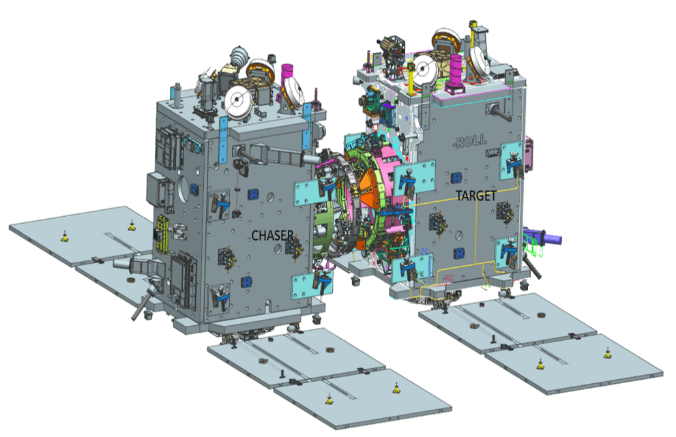
The Spadex Mission represents ISRO’s venture into the challenging domain of space docking. This technology, which allows two spacecraft to connect while in orbit, has far-reaching implications for space station construction, satellite servicing, and interplanetary missions. By developing this capability, ISRO is setting the stage for future innovations such as in-orbit satellite repairs, refueling, and assembling complex structures in space.
Historically, space docking has been a forte of space giants like NASA, Roscosmos, and the European Space Agency. Now, ISRO’s Spadex Mission places India on this elite list, highlighting our scientific ingenuity and determination to compete at the highest level.
PSLV C60: The Backbone of Spadex
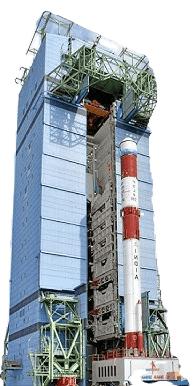
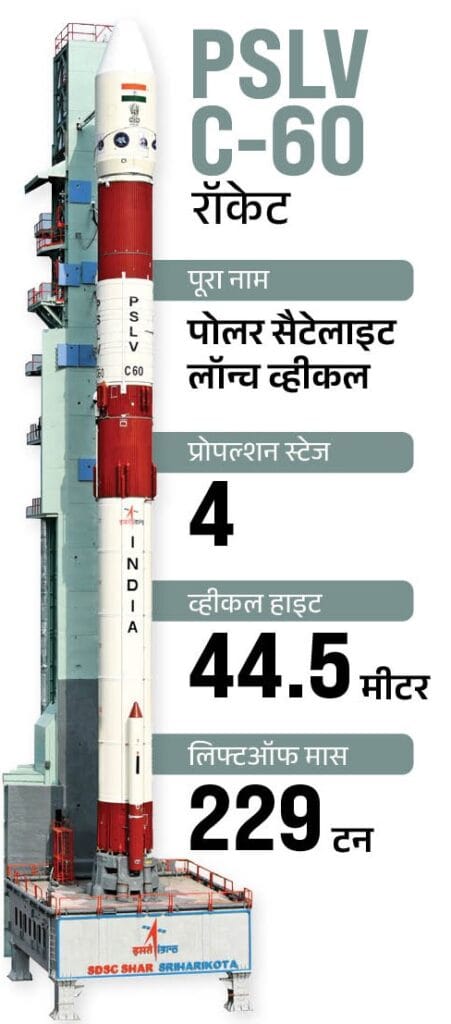
The Polar Satellite Launch Vehicle (PSLV), often called the workhorse of ISRO, is renowned for its reliability and cost efficiency. The upcoming PSLV C60 launch will carry the Spadex payload, marking the 60th mission of this iconic series.
PSLV’s legacy includes landmark missions like Chandrayaan-1, Mangalyaan, and numerous satellite launches for domestic and international clients. Its role in the Spadex Mission further solidifies its reputation as a cornerstone of India’s space program.
PSLV C60 Launch Time and Mission Objectives
The PSLV C60 launch is scheduled to take place at the Satish Dhawan Space Centre (SDSC) in Sriharikota, Andhra Pradesh. The mission involves deploying two spacecraft equipped with advanced sensors and docking mechanisms. These spacecraft will autonomously perform docking operations in orbit, demonstrating precision and control that are critical for future missions.
This experiment is a significant step for ISRO, as it showcases India’s growing capability to handle sophisticated space technologies.
Why is the Spadex Mission a Game-Changer?
The Spadex Mission is a pivotal step for India’s space program, offering technological, operational, and strategic benefits.
- Breakthrough in Advanced Technology
Docking in space requires cutting-edge systems for navigation, maneuvering, and real-time communication. Successfully demonstrating these technologies will position ISRO as a global leader in space innovation. - Foundation for India’s Space Station
Space docking is a prerequisite for building and maintaining space stations. The Spadex Mission could pave the way for India’s own space station, projected for the 2030s. - Extending Satellite Lifespan
With docking capabilities, satellites can be refueled, repaired, or upgraded in orbit, significantly enhancing their utility and reducing space debris. - Boost to International Collaboration
Mastering docking technology will open doors for collaborations with other space agencies, enabling joint missions and shared ventures in space exploration.
Challenges Ahead
While the Spadex Mission is a proud achievement, it comes with its own set of challenges:
- Precision in Execution: Achieving a flawless docking process requires minute precision, with no margin for error. ISRO has invested heavily in rigorous testing to overcome this challenge.
- Reliability of Autonomous Systems: Autonomous docking is a relatively new frontier for ISRO. Ensuring the robustness of these systems is critical for the mission’s success.
Resource Management: Developing advanced technologies like docking mechanisms demands significant investment. ISRO’s expertise in cost-effective missions will be put to the test once again.
The Legacy of PSLV and India’s Space Aspirations
The PSLV series has been a symbol of India’s rise as a space power. From enabling landmark missions like Chandrayaan and Mangalyaan to launching satellites for other countries, it has consistently delivered. The Spadex Mission, carried by PSLV C60, is yet another feather in its cap.
ISRO’s future roadmap is equally ambitious, with missions like:
- Gaganyaan – India’s maiden human spaceflight mission.
- Aditya-L1 – A mission to study the Sun.
- Shukrayaan-1 – A Venus exploration mission.
- Mangalyaan-2 – A follow-up mission to Mars.
The success of the Spadex Mission will be a stepping stone for these futuristic endeavors.
A Global Perspective on Spadex
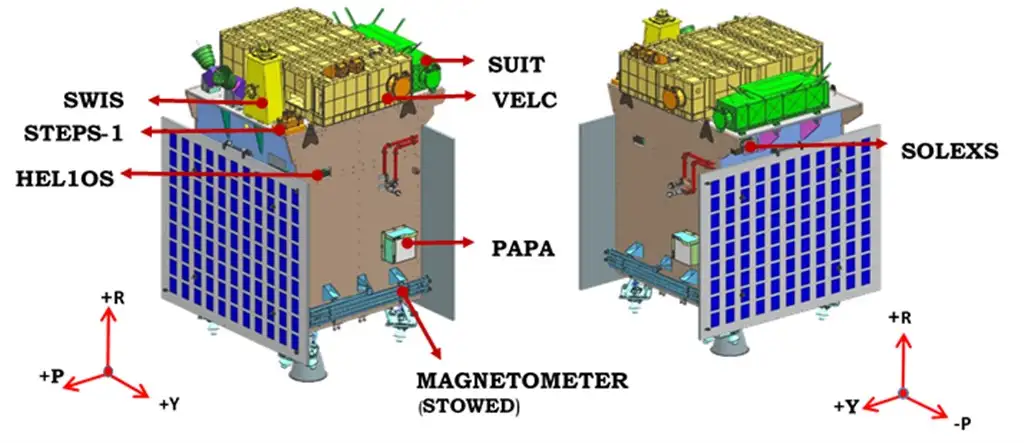
The Spadex Mission is not just about India—it’s a significant moment for global space exploration. ISRO’s success with this mission highlights a cost-effective approach to achieving complex objectives, inspiring other countries to follow suit.
Moreover, as nations work together on shared challenges like space debris management and interplanetary exploration, India’s expertise in docking technology could play a crucial role in fostering international partnerships.
Conclusion: India’s Ascent in Space Exploration
The Spadex Mission, powered by the PSLV C60, represents India’s unyielding ambition to push the boundaries of space exploration. By mastering space docking, ISRO is laying the groundwork for missions that were once considered out of reach.
For millions of Indians, the Spadex Mission is not just a scientific achievement—it is a symbol of what we can accomplish with dedication, innovation, and vision. As the world looks to India’s growing presence in space, the Spadex Mission is a beacon of our nation’s potential and promise.
As the countdown to the PSLV C60 launch begins, every Indian can take pride in ISRO’s relentless pursuit of excellence. With each milestone, we edge closer to realizing the dream of making India a global space superpower.