
Squid Game
While Squid Game might seem like a dramatic exploration of human survival and social inequality, there’s an underlying layer of technology that contributes significantly to the show’s immersive storytelling. As a tech enthusiast, let’s dive into how technology played a pivotal role in Squid Game and explore its futuristic potential.
The Role of Technology in Squid Game
Surveillance Systems
The game’s organizers use advanced surveillance systems to monitor participants. Cameras track every movement, ensuring no rule-breaking goes unnoticed. This aspect raises questions about privacy and the ethical use of technology.In the real world, similar tech is used for facial recognition and crowd monitoring, such as in smart cities. However, misuse can lead to dystopian outcomes, as depicted in the series.
Game Automation
The giant robotic doll in the first game, Red Light, Green Light, uses advanced motion-sensing technology. In reality, motion sensors and AI-based systems, like those used in autonomous vehicles or security robots, are achieving similar feats.The show’s depiction hints at the potential—and dangers—of AI in decision-making processes without human oversight.
Blockchain and Digital Payments
The show’s prize money, stored in a giant piggy bank, symbolizes the participants’ motivations. In the real world, such transactions could be facilitated via blockchain technology for secure and transparent handling of funds. Cryptocurrency adoption in gaming platforms is already growing, offering parallels to Squid Game’s reward system.Gamification of Real-Life Scenarios
Squid Game takes gamification to a dark extreme. Gamification in tech, however, is transforming industries like education, fitness, and corporate training. Platforms like Duolingo and Fitbit use similar principles—minus the life-or-death stakes!

What Tech can be Learn from This Series
Data Ethics
The show’s surveillance highlights the thin line between monitoring for safety and infringing on privacy. As technology evolves, maintaining ethical standards in data collection and AI deployment is crucial.AI Bias and Decision Making
The robotic doll’s accuracy raises a question: what if it misjudged someone’s movement? Bias in AI systems is a real-world issue. Developers must ensure fairness and accuracy when building automated systems.Virtual Reality (VR) and Immersive Games
Squid Game’s concept could inspire the development of immersive VR gaming experiences. Companies like Meta (formerly Facebook) are already investing heavily in virtual worlds. Imagine playing a VR version of Tug of War or Dalgona candy cutting—minus the fatal consequences, of course!
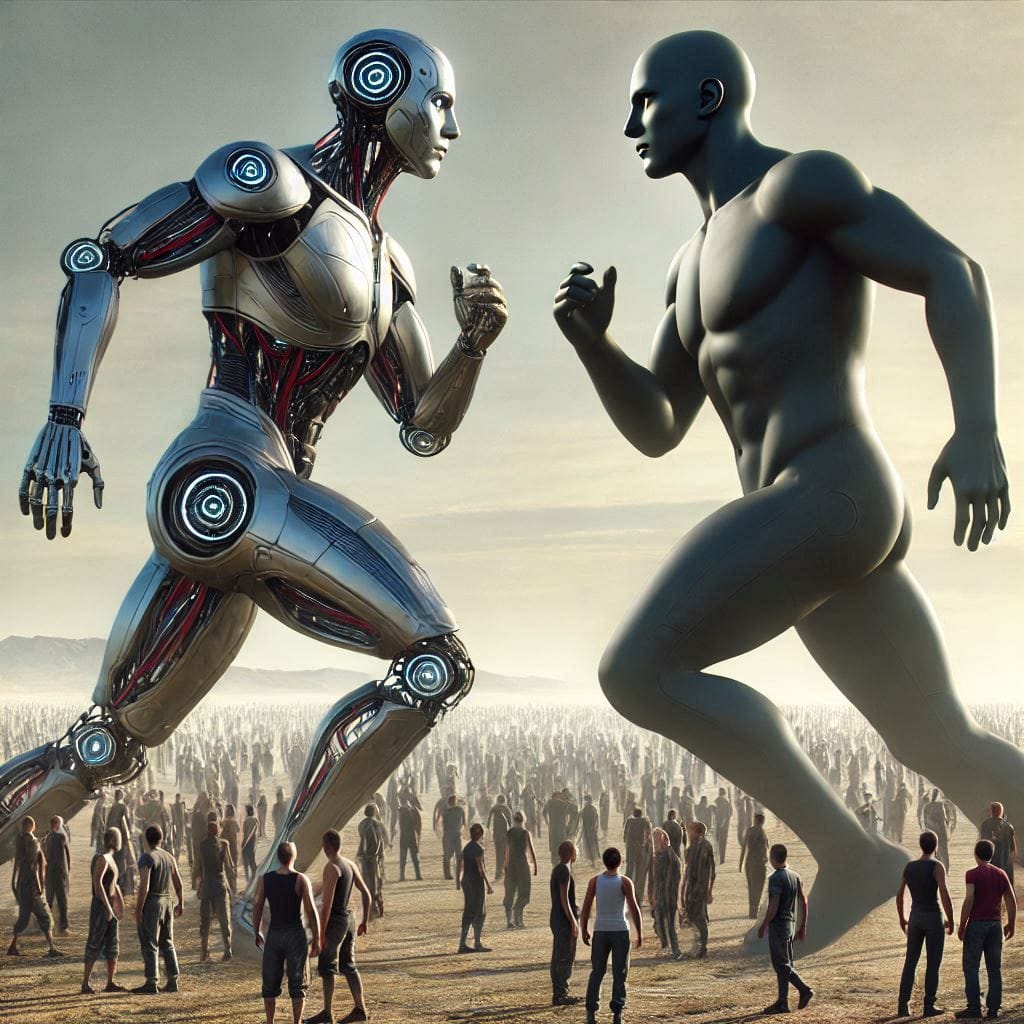
How Squid Game Season 2 Could Inspire Tech Innovations
The tech possibilities in Squid Game Season 2 are immense. Here’s what tech enthusiasts can look forward to:
More Advanced Surveillance Tech
Will the organizers upgrade their tracking systems? Newer technologies like emotion-sensing cameras could be introduced, hinting at advancements in biometric analysis.AI and Robotics Evolution
Future games might include even more intricate robots and AI systems, inspiring engineers to think about real-world applications like automated manufacturing or healthcare robots.Holographic Interfaces
Imagine a game selection process using holographic projections. This could mirror the advancements in AR (Augmented Reality) and holography being developed today.
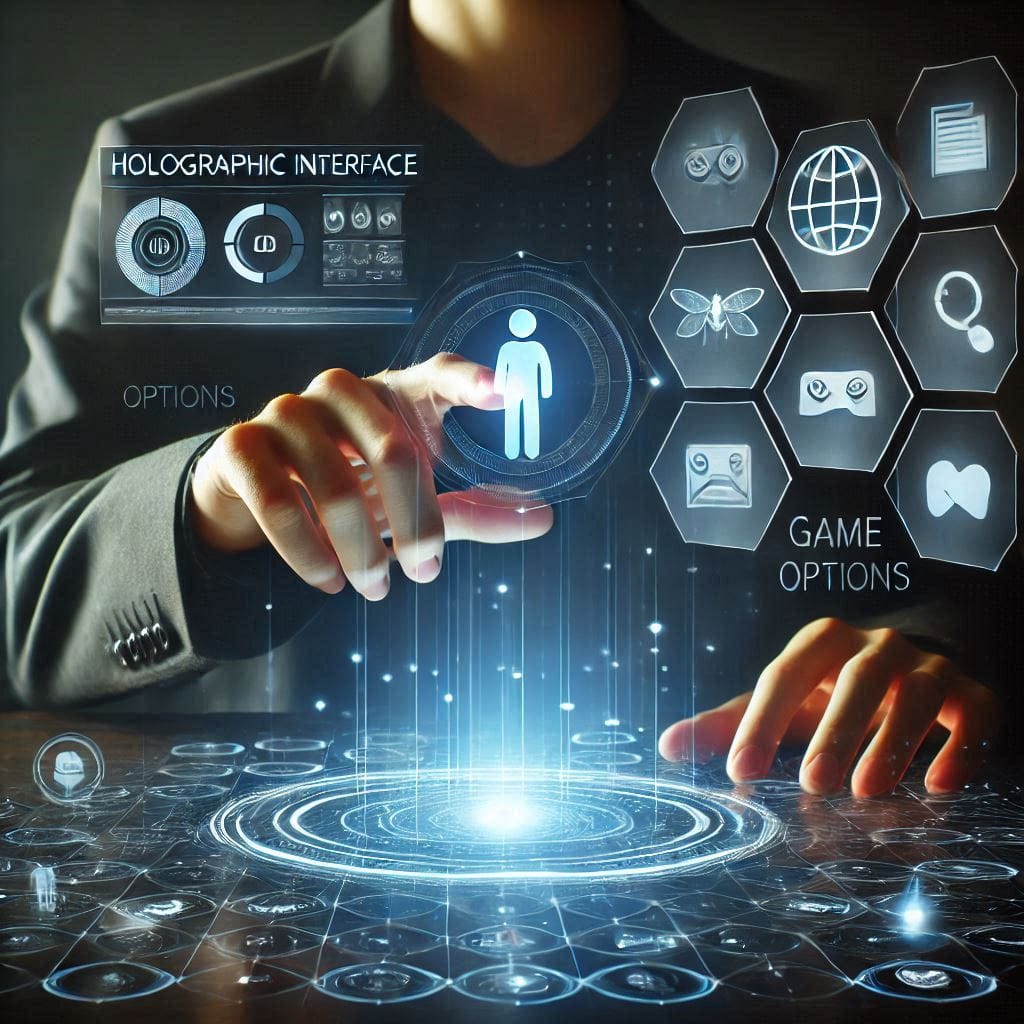
The Tech Behind Streaming Squid Game
Let’s shift our focus to the technology that made Squid Game accessible worldwide.
Cloud Computing
Platforms like Netflix rely on cloud computing to store and stream high-definition content globally. Services like AWS (Amazon Web Services) and Azure ensure seamless streaming for millions of concurrent users.AI in Content Recommendation
Netflix’s recommendation algorithm ensures Squid Game reaches the right audience. Machine learning analyzes viewing patterns to suggest shows based on your interests.Localization and Dubbing Technology
Squid Game was dubbed and subtitled in multiple languages. AI-powered tools like Natural Language Processing (NLP) played a significant role in making the series a global success.
The Future of Entertainment Technology
Squid Game is a perfect example of how storytelling and technology go hand-in-hand. The future of entertainment lies in creating immersive, tech-driven experiences.
Interactive Streaming
Imagine choosing a player’s fate in a Squid Game-inspired interactive series. Platforms like Netflix are already experimenting with this, as seen in Black Mirror: Bandersnatch.AI in Scriptwriting
Advanced AI tools like ChatGPT could assist writers in brainstorming plot twists, making complex narratives like Squid Game easier to craft.Blockchain in Gaming and Entertainment
Blockchain could be used to reward audiences or participants in real-life gamified experiences. Token-based incentives, akin to Squid Game’s prize money, could revolutionize how audiences engage with content.

Squid Game's Tech Legacy
As fans eagerly await Squid Game Season 2 and speculate about Squid Game Season 3 release date, the series continues to inspire discussions not just about its storyline but also its technological underpinnings. From the Squid Game Season 2 cast to questions like how many episodes in Squid Game Season 2, the anticipation is real.
For tech enthusiasts, the series offers a unique perspective on the use—and potential misuse—of technology. Whether it’s robotics, surveillance, or VR, Squid Game serves as a reminder of the fine line between innovation and ethical dilemmas.
So, what are your thoughts on Squid Game’s portrayal of technology? Could these concepts inspire the next wave of tech innovations? Share your ideas in the comments!